Silver has been quietly stealing the spotlight from its flashier cousin gold, and 2026 is shaping up to be one of the most exciting years for the white metal in decades. After a massive rally that saw prices surge well over 100% in 2025, silver prices continue to attract attention from investors, industrial buyers, and collectors alike. If you’ve got silver sitting in a drawer somewhere, now might be the time to pay attention.
What’s Behind the Silver Prices Surge?
Unlike gold, which derives most of its value from investment demand and central bank purchases, silver lives a double life. About half of global silver demand comes from industrial applications, and that industrial appetite has been growing at a remarkable pace.
The solar energy boom is a major driver. Silver is a critical component in photovoltaic cells, and as countries around the world accelerate their renewable energy targets, demand for silver in solar panels has skyrocketed. A single solar panel uses roughly 20 grams of silver, and with millions of panels being installed annually, the math adds up quickly.
Electric vehicles represent another growing source of demand. Modern EVs use significantly more silver than traditional combustion engine cars, primarily in electrical contacts, switches, and battery technology. As EV adoption continues its upward trajectory, silver’s industrial role only becomes more important.
Electronics manufacturing, 5G infrastructure, and medical devices round out the industrial picture. Silver’s unique properties — it’s the best electrical conductor of any element, with natural antimicrobial qualities — make it irreplaceable in many applications.
The Supply Side of the Equation
What makes silver’s outlook particularly compelling is the supply picture. According to the Silver Institute, the silver market has been running a structural deficit for several consecutive years, meaning demand consistently exceeds new mine production. Unlike gold, where above-ground stockpiles are massive, silver gets consumed in industrial processes and is often not economically viable to recycle in small quantities.
Major silver-producing countries like Mexico, Peru, and China have faced various production challenges, from regulatory changes to declining ore grades at existing mines. Opening new silver mines takes years of permitting and development, so supply can’t respond quickly to rising demand.
This supply-demand imbalance has led many market analysts to project silver prices could reach $50 per ounce or higher in the coming years. Some of the more bullish forecasts suggest prices could eventually push toward $80 per ounce, though such projections always come with uncertainty.
Silver vs. Gold: The Ratio Tells a Story
One metric that silver enthusiasts watch closely is the gold-to-silver ratio — essentially, how many ounces of silver it takes to buy one ounce of gold. Historically, this ratio has averaged around 60:1. When the ratio gets significantly higher than that, it often signals that silver is undervalued relative to gold.
While the ratio has compressed from its recent highs as silver has rallied, many analysts believe there’s still room for further compression, which would imply continued outperformance by silver relative to gold. This metric doesn’t guarantee future price movements, but it provides useful historical context. For more on how global events are also driving gold to record highs, check out our article on how global events shape precious metal prices.
What Rising Silver Prices Mean for Owners
If you own silver in any form — coins, bars, jewelry, flatware, or even old silverware inherited from a grandparent — the current market environment means your holdings are likely worth more than you think. Silver coins and bullion are the most straightforward to value, as they’re priced based on weight and current spot prices plus a small premium.
Silver jewelry and decorative items are a bit more nuanced. The value depends on whether the piece is solid silver or silver-plated, the weight of the silver content, and any additional value from craftsmanship or brand recognition. Sterling silver (marked 925) is 92.5% pure silver, while coin silver is typically 90% pure.
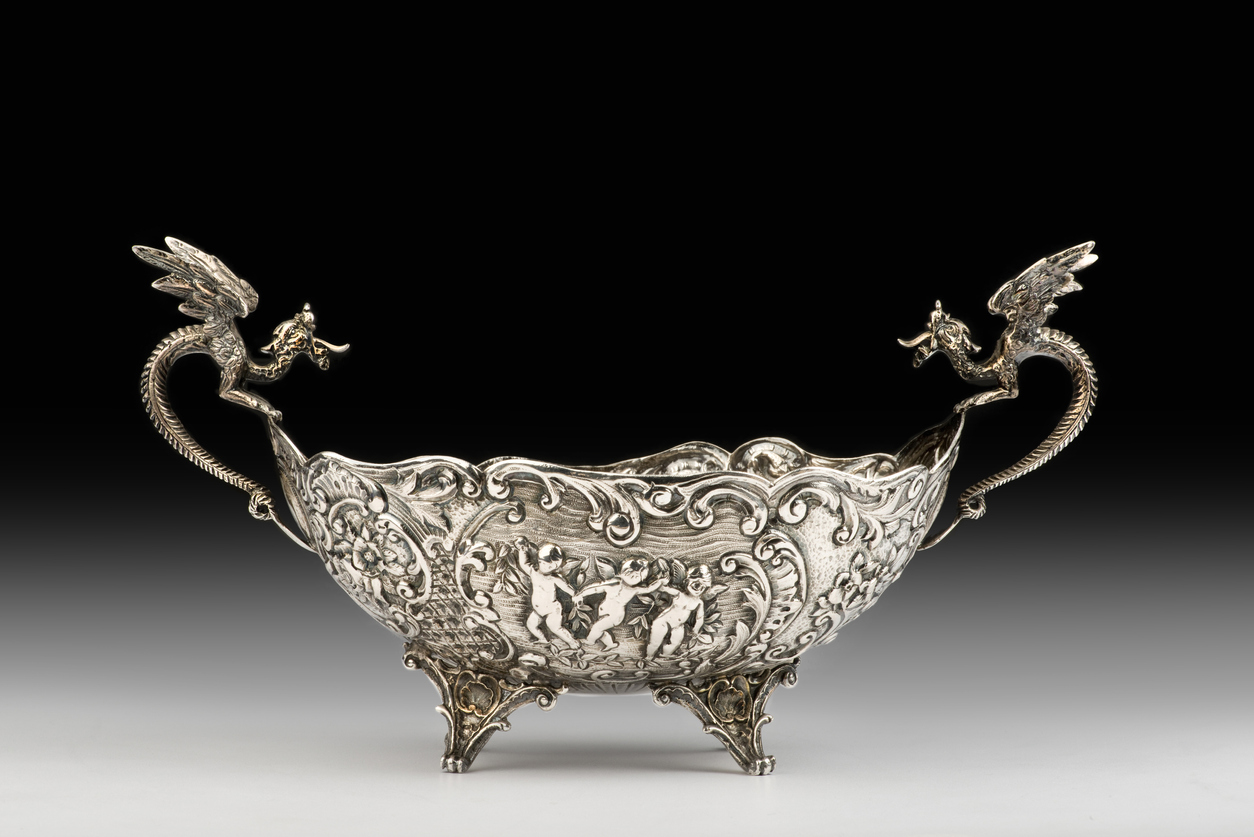
Even items you might not think of as valuable can have significant silver content. Vintage flatware sets, candelabras, tea services, and commemorative items often contain substantial amounts of silver that’s worth serious money at current prices.
Practical Tips for Silver Sellers
Before selling silver, it helps to have a basic understanding of what you’ve got. Check for hallmarks like “925,” “Sterling,” or “.999” on coins and bars. Weigh your items if possible — silver is priced by the troy ounce, and knowing the approximate weight helps you evaluate any offer you receive.
Be wary of “we buy silver” advertisements that promise top dollar without specifying how they calculate their offers. The best approach is to work with an established dealer or pawn shop that will show you the current spot price and explain exactly how they arrive at their offer.
Timing also plays a role. While no one can predict short-term price movements with certainty, selling during periods of strong demand — like the current market — generally yields better results than waiting for a pullback.
Have silver you’d like to sell or get appraised? Lambert Pawn in Whittier, CA, offers competitive prices based on current market rates for all types of silver — from coins and bullion to jewelry and flatware. Stop by and let our experienced team evaluate your silver and make you a fair offer on the spot.