
Pawnbroking is one of the oldest financial services in human history, yet it’s also one of the most misunderstood. While many people’s perception of pawn shops is shaped by reality TV shows and outdated stereotypes, the actual industry has undergone a remarkable transformation — one that stretches back thousands of years and continues to evolve today.
Ancient Origins: 3,000 Years of Collateral Lending
The concept of lending money against personal property dates back to ancient China, where pawnbroking records appear as early as 1,000 BC. The practice spread to ancient Greece and Rome, where pawnbrokers operated openly and served as an essential source of credit for ordinary citizens who lacked access to formal banking.
During the Middle Ages, pawnbroking became institutionalized across Europe. The Lombard merchants of Italy were particularly influential, establishing lending houses throughout the continent. The traditional pawnbroker symbol — three gold balls hanging from a bar — is believed to have originated from the Medici family’s coat of arms, connecting pawnbroking to one of the most powerful banking dynasties in history.
In 1462, Franciscan monks in Perugia, Italy, established the first “Monte di Pietà” — a charitable pawnbroking institution designed to provide affordable credit to the poor as an alternative to predatory money lending. These institutions spread throughout Europe and represented one of the earliest examples of ethical finance.
The Pawn Industry in America
Pawnbroking arrived in the American colonies early on and played a significant role in the young nation’s economy. During the 18th and 19th centuries, pawn shops served as the primary source of credit for working-class Americans. Banks at the time catered almost exclusively to wealthy individuals and businesses, leaving ordinary people with few options when they needed short-term funds.
Some notable historical figures had connections to the pawn industry. Queen Isabella of Spain reportedly pawned her crown jewels to finance Christopher Columbus’s voyage to the New World. During the California Gold Rush, pawn shops in San Francisco did brisk business with miners who needed to convert their finds into cash or borrow against equipment.
By the early 20th century, pawn shops were fixtures in cities across America. They served immigrant communities, working families, and anyone who needed access to quick, no-questions-asked credit. The industry weathered the Great Depression, two World Wars, and countless economic cycles, adapting each time to changing conditions.
Pawn Industry Transformation: 1980s to 2010s
The pawn industry began its most dramatic transformation in the 1980s, when several operators started professionalizing and scaling their businesses. Companies like EZCorp and FirstCash began consolidating smaller shops into larger networks, introducing standardized practices, computerized inventory systems, and professional store designs.
This professionalization accelerated in the 1990s and 2000s. Modern pawn shops began resembling retail stores more than the dimly lit shops of popular imagination. Bright lighting, organized displays, digital point-of-sale systems, and trained staff became the standard for leading operators. Industry associations like the National Pawnbrokers Association established codes of ethics and best practices that elevated the entire sector.
The regulatory environment evolved alongside the industry. States and municipalities developed licensing requirements, record-keeping mandates, and consumer protection frameworks specifically for pawnbrokers. These regulations, while adding compliance costs, also helped legitimize the industry and protect consumers.
The Digital Age: 2010s to Today
The past decade has seen technology reshape nearly every aspect of the pawn business. Online pawn services emerged, allowing customers to submit items for evaluation via photographs and receive loan offers without visiting a physical store. While the in-person experience remains central to the industry, these digital options have expanded access for customers who can’t easily visit a shop.
Pricing technology has been perhaps the most impactful change. Modern pawn shops use sophisticated databases and real-time market data to evaluate items. When you bring a Rolex watch or a gold chain into a well-equipped pawn shop today, the staff can instantly access current market prices, recent comparable sales, and authentication databases. This technology benefits customers by ensuring they receive fair, market-based offers rather than arbitrary valuations.
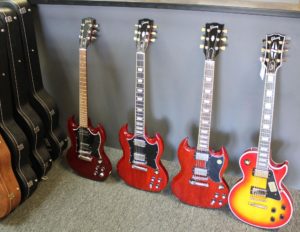
Social media and e-commerce have also transformed how pawn shops sell merchandise. Many shops now maintain active online presences, listing unique or high-value items on platforms where they can reach buyers far beyond their local area. A vintage guitar or rare coin that might sit in a display case for months can find a buyer across the country within days.
Looking Forward: AI, Authentication, and Financial Inclusion
The next chapter of the pawn industry’s evolution is already being written. Artificial intelligence is making its way into item authentication and valuation. AI-powered tools can analyze photographs of luxury watches, handbags, and jewelry to assist with identification and provide preliminary value estimates. While experienced human appraisers remain essential, these tools are making the evaluation process faster and more consistent.
The industry is also benefiting from a broader cultural shift in attitudes toward secondhand goods. The rise of sustainability consciousness has made buying pre-owned items not just acceptable but fashionable. Pawn shops, which have been in the reuse and resale business for centuries, are naturally positioned to benefit from this trend.
Perhaps most importantly, pawn shops continue to serve their original purpose: providing accessible financial services to people who need them. In an era when millions of Americans remain underbanked or unbanked, pawn loans offer a straightforward option with no credit checks, no impact on credit scores, and no risk beyond the pledged item. It’s a model that has worked for three thousand years, and it’s not going away anytime soon.
Experience the modern pawn shop difference. Lambert Pawn in Whittier, CA, combines decades of local expertise with modern technology and fair-market pricing. Whether you’re looking to buy, sell, or borrow, we’re here to provide a professional, transparent experience. Stop by and see for yourself.