
Walk into any jewelry store today and you’ll notice something that would have been unthinkable a decade ago: lab grown diamonds sitting right alongside their natural counterparts, often in the same display cases. The diamond industry is undergoing one of the most significant transformations in its history, and whether you’re buying, selling, or simply curious, it pays to understand what’s happening.
The Rise of Lab Grown Diamonds
lab grown diamonds aren’t imitation stones or cubic zirconia. They’re chemically, physically, and optically identical to diamonds formed deep within the earth over billions of years. The difference is that lab grown diamonds are created in a matter of weeks using advanced technology that replicates the extreme heat and pressure conditions found in nature.
Two main methods dominate production: High Pressure High Temperature (HPHT) and Chemical Vapor Deposition (CVD). Both produce stones that even trained gemologists can’t distinguish from natural diamonds without specialized equipment. The Gemological Institute of America (GIA) now grades lab grown diamonds using the same criteria as natural stones, reflecting how indistinguishable they’ve become.
The numbers tell the story clearly. lab grown diamonds now account for roughly half of all center stones sold in the engagement ring market. That’s an astronomical leap from just a few years ago, when they held a fraction of the market. The primary driver? Price. A lab-grown diamond costs approximately 73% less than a comparable natural diamond, allowing buyers to get a larger, higher-quality stone for significantly less money.
What This Means for Natural Diamond Values
The rise of lab-grown diamonds has created real anxiety among natural diamond sellers and investors. Natural diamond prices have faced downward pressure as consumers increasingly consider lab-grown alternatives. De Beers, the company that essentially built the modern diamond industry, has had to adapt its strategy multiple times in response to the shifting market.
However, the picture isn’t as simple as “lab-grown kills natural.” What’s actually emerging is a bifurcated market where the two types of diamonds serve different purposes and different buyers.
Natural diamonds, particularly rare stones with exceptional color, clarity, and provenance, continue to hold strong value. Fancy colored diamonds — pinks, blues, yellows, and reds — have actually seen price increases, as their rarity can never be replicated by scaling up production. High-quality natural white diamonds above two carats also remain in strong demand from collectors and investors who view them as stores of value, similar to gold or fine art.
The segment feeling the most pressure is the mid-range natural diamond market. Stones in the one to two carat range with good but not exceptional grades are competing directly with lab-grown alternatives that offer identical appearance at a fraction of the cost. For buyers primarily interested in the visual impact of their diamond, the value proposition of lab-grown is hard to ignore.
Lab Grown Diamonds and the Resale Reality
Here’s where the difference between natural and lab-grown diamonds becomes most apparent: resale value. Natural diamonds, while they’ve never been the guaranteed investments some marketing campaigns suggested, do maintain meaningful resale value. A high-quality natural diamond purchased today can be resold for a significant portion of its original price, and exceptional stones can appreciate over time.
Lab-grown diamonds, on the other hand, face a challenging resale market. Because production capacity continues to expand and costs continue to drop, a lab-grown diamond purchased today may be worth considerably less in a few years simply because newer stones of equal quality will be available at lower prices. It’s similar to how electronics depreciate — a cutting-edge TV loses value as newer models hit the market.
This resale dynamic is something every buyer should consider carefully. If you’re purchasing a diamond purely for personal enjoyment and don’t plan to resell it, a lab-grown stone offers incredible value. But if long-term value retention matters to you, natural diamonds remain the stronger choice. We explored this same topic from a different angle in our earlier article on lab diamonds vs. mined diamonds.
How to Tell What You Have
If you already own diamonds and aren’t sure whether they’re natural or lab-grown, there are a few things to know. Any diamond purchased before roughly 2015 is almost certainly natural, as lab-grown stones weren’t widely available in jewelry retail before then. Diamonds with GIA or AGS grading reports will clearly state whether the stone is natural or laboratory-grown.
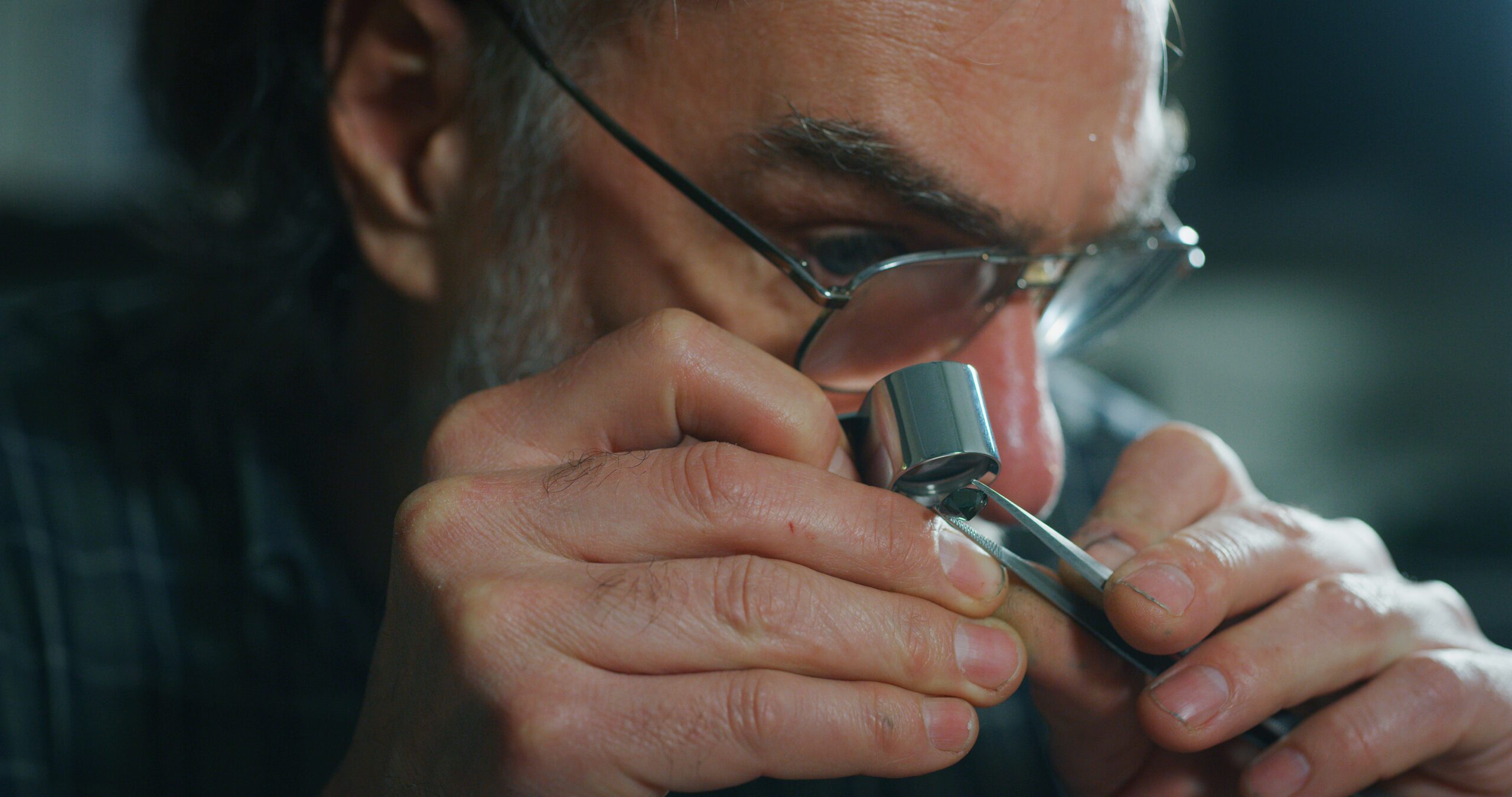
For ungraded stones, professional gemological testing can determine origin. Most reputable jewelers and pawn shops have the expertise and equipment to make this distinction quickly.
What This Means if You’re Selling
If you’re looking to sell diamond jewelry, the current market conditions actually work in your favor for natural stones. As lab-grown prices continue to fall, natural diamonds are being repositioned as the premium, scarce option — and scarcity drives value. Vintage and antique diamond jewelry, in particular, has seen renewed interest from buyers who appreciate the history and authenticity of natural stones.
The key is getting an accurate appraisal from someone who understands the current market dynamics. The diamond market in 2026 looks very different from even a few years ago, and pricing that doesn’t account for recent shifts could leave money on the table.
Have diamond jewelry you’d like appraised? Lambert Pawn in Whittier, CA, has decades of experience evaluating diamonds of all types and qualities. Whether your pieces feature natural or lab-grown stones, our team will provide a transparent, market-accurate valuation. Stop by for a free appraisal and find out what your diamonds are really worth in today’s market.